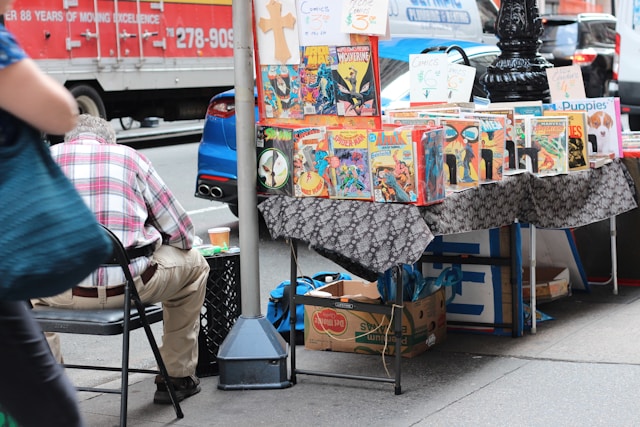
Pop-up shops and sidewalk sales are increasingly popular in the summer, offering retailers a low-cost, high-visibility way to move seasonal merchandise and attract foot traffic. From apparel brands setting up temporary booths outside their storefronts to farmers markets and craft fairs in public plazas, these flexible formats generate excitement—and revenue. But behind the cheerful canopies and discount bins lies a serious risk: injury liability.
Unlike permanent retail locations, pop-ups and outdoor sales events are often hastily assembled with limited oversight. Merchants may focus on presentation or maximizing space but overlook basic safety measures. Common hazards include unstable tables, merchandise racks that aren’t properly weighted, trip hazards from exposed electrical cords, or cluttered walkways that don’t comply with ADA standards. Add in unpredictable summer weather—sudden gusts of wind, rain-slicked pavement, or uneven surfaces—and you have a recipe for potential injury.
Customers navigating tight pathways between booths, especially those with mobility challenges or children, are at risk of tripping over loose rugs, product displays, or signage stands. In many cases, the retail space is set up on sidewalks, brick pavers, or uneven parking lots that haven’t been properly evaluated for pedestrian use. These conditions, while temporary, are no less dangerous than those inside a traditional retail space.
Injury law firms pursuing cases that stem from incidents at pop-up retail events must identify who was responsible for the layout and maintenance of the temporary space. Was it the store owner? The landlord? A third-party event organizer? Liability can quickly become complicated when multiple parties share responsibility.
A retail expert witness can help untangle this complexity by assessing whether the setup met industry standards for safety and accessibility. This may include evaluating booth configurations, crowd control, signage visibility, and the anchoring of tents or umbrellas. Experts also review vendor agreements, property permits, and photos of the scene to determine whether safety protocols were followed—or ignored.
Moreover, temporary doesn’t mean exempt from legal responsibility. Whether it’s a weekend sidewalk sale or a month-long pop-up store, the obligation to maintain a reasonably safe shopping environment still applies. That includes planning for foreseeable issues like pedestrian flow, access to exits, surface traction, and visibility at night.
For attorneys, these cases offer strong opportunities to demonstrate negligence—especially when documentation shows that the hazard had been previously reported or occurred due to a rushed or careless setup. With the right expert testimony, even informal or “one-off” sales events can result in clear findings of liability.
Contact Jerry Birnbach, Expert Witness to discuss your case.


Leave a Reply