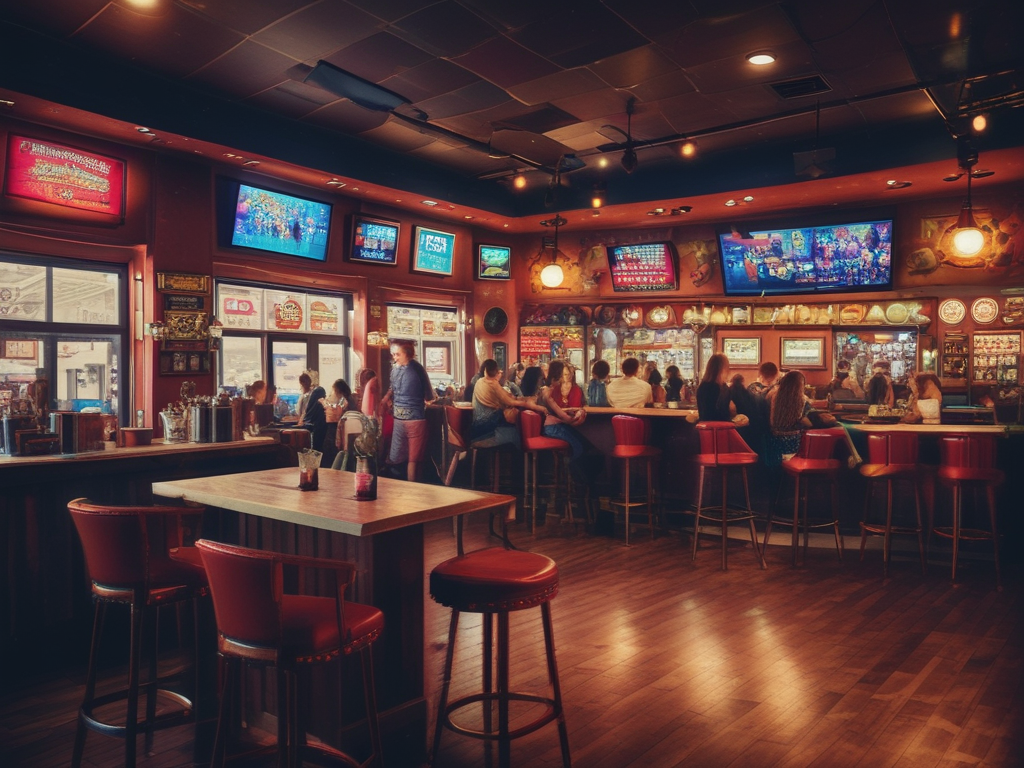
Every season, many retail stores and restaurants embrace the time of year by transforming their layouts to align with seasonal or holiday themes. While these changes create an inviting atmosphere, they can also introduce significant hazards if not executed with safety in mind.
From crowded walkways to poorly placed decorations, temporary store layouts can lead to injuries, resulting in slip and fall cases requiring the expertise of a retail injury expert witness.
The Hidden Dangers of Temporary Store Layouts
Retail spaces often face increased foot traffic this time of year as shoppers flock to stores for Football Sundays, Valentine’s, and other celebrated events. To accommodate and capitalize on this surge, retailers may redesign their store layouts to feature seasonal merchandise prominently. However, these temporary changes can create unsafe conditions, such as narrow pathways and hidden obstacles, which increase the risk of injury for both customers and staff.
Example 1: Restaurant Hazards During Football Season

Consider a popular restaurant where customers gather to watch football games. As the season progresses, these establishments may rearrange seating areas to maximize capacity. In many cases, this involves setting up temporary booths or bar areas that may require customers to navigate steps or changes in elevation. Unfortunately, these steps are often poorly marked or obscured by dim lighting, leading to trip and fall incidents.
For instance, a patron entering a restaurant to watch a game might not notice a small step leading up to a booth. Distracted by the bustling environment and the excitement of the game, they could easily miss the step, resulting in a fall and potential injury. As a restaurant injury expert witness, I’ve seen numerous cases where such design flaws have led to serious injuries, turning what should have been an enjoyable evening into a painful and costly experience.
Example 2: The Risks of Seasonal Decor in Retail Stores

In retail stores, the autumn season often brings displays filled with balloons, buckets of flowers, and other festive decorations. While these elements create a charming atmosphere, they can also become obstacles in high-traffic areas, especially when placed near entrances or narrow aisles. Customers navigating through crowded spaces may not see these obstacles in time to avoid them, leading to trips, falls, and injuries.
For example, in a busy grocery store, bundles of flowers and big teddy bears might be placed near the entrance to welcome customers with a touch of seasonal flair. However, as shoppers enter with carts or children in tow, these decorations can quickly become hazards. A customer could easily trip over a misplaced gift or slip on water leaking from the floral display, leading to a fall and potential injury. In such cases, a retail slip expert witness can help establish how the store’s layout contributed to the incident.
Example 3: Overstocking Produce and the Danger of Slippery Floors

Another common issue during the winter season is the overstocking of produce displays. With an abundance of seasonal fruits and vegetables, stores may be tempted to pile up produce in large, attractive displays. However, this practice can have dangerous consequences. Overstocked items are more likely to fall to the floor, where they can create slippery conditions that lead to slip and fall injuries.
For instance, imagine a grocery store that stocks a large display of oranges, grapefruit and lemons. As customers pick up items, some may roll off the display and onto the floor. If not promptly cleaned up, these fallen items can create a hazardous situation, especially if they are stepped on and create a wet or slippery surface. A slip and fall retail case may arise from such incidents, requiring the expertise of a retail design expert witness to analyze how the store’s layout and stocking practices contributed to the accident.
The Role of Expert Witnesses in Slip and Fall Cases
Injury cases resulting from poor store design or unsafe seasonal layouts often require the testimony of an expert witness to establish liability. As a retail injury expert witness, I analyze the design and layout of retail spaces to determine whether they meet safety standards. My role often involves examining how the store’s layout, décor placement, and stocking practices may have created or exacerbated the conditions leading to the injury.
In summary, the allure of seasonal store layouts must be balanced with a commitment to safety. Retailers and restaurant owners should consider the potential hazards introduced by temporary design changes and take proactive measures to prevent accidents. When injuries do occur, expert witnesses play a crucial role in determining how these design flaws contributed to the incident and in helping injured parties seek the compensation they deserve.

Jerry Birnbach F.I.S.P., Assoc. AIA, is an Expert Witness in Retail, Slip and Fall, Trip and Fall, Interior Design, Display, Showroom, Arena, Furniture, and Commercial Space. Public Assembly.
Education: B.S Arch. Tech. N.Y.I.T | Bachelor of Architecture (professional degree) C.C.N.Y
More helpful expert witness blogs from Jerry Birnbach:
- Slip vs. Trip: Why the Distinction Matters in Retail Injury Cases
- Why Lack of Incident Documentation Hurts Retail Injury Cases
- Common Retail Floor Hazards That Cause Slip-and-Fall Injuries
- What to Do (and What Not to Do) After a Slip and Fall in a Retail Store
- Navigating Seasonal Store Layouts: How Poor Design Can Lead to Injuries


Leave a Reply