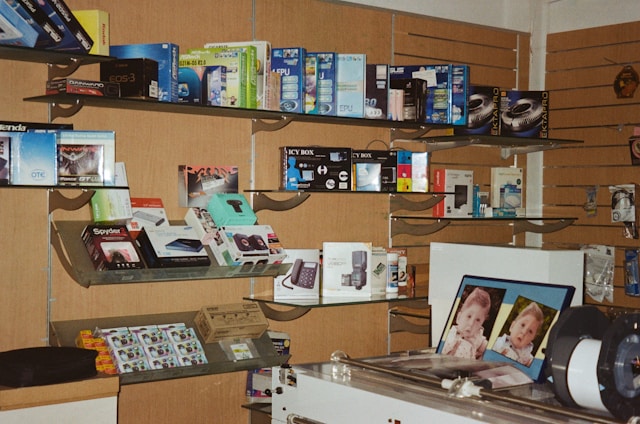
Retailers often see a surge in foot traffic during late spring and summer, especially as shoppers look for seasonal deals, graduation gifts, vacation gear, or holiday items. However, many stores prioritize product placement and visual merchandising over customer safety. Poor store layout is a silent contributor to injury cases—particularly in stores that rely on narrow aisles, excessive endcap displays, or merchandise stacked at unstable heights.
Common layout-related hazards include blocked or cluttered aisles, hard-to-see product bins, wobbly floor fixtures, and crowded clearance areas near exits. When these factors combine with a high volume of shoppers, the potential for trip-and-fall accidents or falling merchandise injuries increases dramatically. Retailers have a duty of care to ensure their spaces are navigable and free from foreseeable hazards. This includes following internal safety protocols and reacting promptly when customer traffic patterns reveal risk areas.
A retail expert witness can provide detailed insights into whether store layout, display placement, or employee training contributed to an accident. This includes analyzing store blueprints, reviewing surveillance footage, and referencing industry standards such as those from OSHA, ANSI, and internal corporate policies. If your client tripped over a product bin or was hit by an unstable display, a strong case will depend on proving that the store failed to uphold a reasonable standard of safety.
Law firms benefit from having an expert who can speak not only to the visible hazard but also to the store’s overarching operational strategy—or lack thereof. When layout is found to prioritize sales over safety, liability becomes much clearer.

Hi I’m Jerry Birnbach, Expert Witness. Call me anytime at 1-917-691-4853 to discuss your case or fill in this contact form, and I’ll be in touch shortly.


Leave a Reply