As the weather warms up, hotels and resorts see a surge in guests. Families take spring vacations, business travelers attend conferences, and event spaces fill with weddings and celebrations. With this influx of visitors, the risk of slip and fall cases increases. The risk of trip and fall cases also rises. Other premises liability claims become more common too. If you’re an injury attorney, knowing where these hazards occur and how to prove negligence is crucial.
As a Retail and Hospitality Expert Witness, I’ve analyzed hundreds of injury cases involving hotels, resorts, and event spaces. A poorly maintained pool area can be hazardous. Lobby design will also pose risks. Unsafe flooring in a banquet hall is another concern. I help attorneys uncover these conditions that lead to accidents. Let’s explore common hazards in hotels and how attorneys can gather the right evidence for a strong premises liability case.
1. Slip and Fall Risks in Hotel Lobbies & Common Areas

Hotel lobbies are high-traffic zones, often featuring slick flooring, decorative rugs, and automatic doors. These elements can create slip and fall hazards, especially when merged with spilled drinks, tracked-in rain, or recently mopped floors.
Common Causes of Slip and Fall Accidents in Hotels:
- Wet tile or marble flooring without proper warning signs.
- Rugs or mats that are not secured properly.
- Poor lighting near elevators and staircases.
Key Evidence for Attorneys: Ask for surveillance footage. Also ask for cleaning logs and maintenance records. This will help find out if hotel staff addressed hazards promptly.
2. Pool and Spa Areas: A Common Source of Injury Claims

Hotel pools and spas are among the most dangerous areas for guests. Wet surfaces, poor drainage, and a lack of non-slip flooring can lead to serious injuries.
Common Poolside Hazards:
- Slippery tiles with no grip texture.
- Broken or missing handrails in pools and hot tubs.
- Pool chemical spills causing skin irritation or slippery surfaces.
Key Evidence for Attorneys: Look at maintenance logs for cleaning and safety inspections. Employee statements reveal if staff ignored complaints about slippery areas.
3. Outdoor Dining & Bar Areas: Trip and Fall Hazards

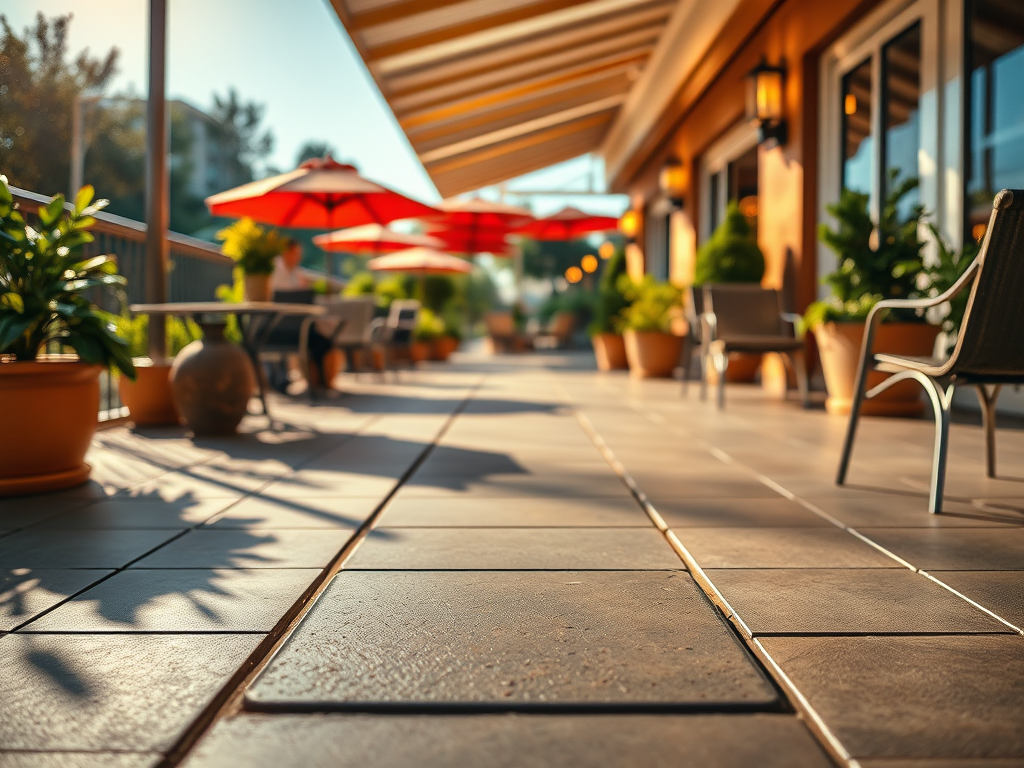
As temperatures rise, hotels expand dining services to outdoor patios, rooftop lounges, and poolside bars. Uneven surfaces, loose tiles, and poorly arranged seating can create trip and fall risks.
What Can Cause a Trip and Fall Injury in Outdoor Dining Areas?
- Uneven pavement or cracked tiles.
- Poorly placed electrical cords for outdoor lighting or music equipment.
- Overcrowded seating arrangements that block walkways.
Key Evidence for Attorneys: Photos, witness statements, and incident reports help show whether the hotel created an unsafe environment.
4. Staircases, Hallways, and Elevators: Hidden Dangers

Stairs, hallways, and elevators see constant foot traffic in hotels. If poorly maintained, they can become major hazards.
Key Risk Factors:
- Uneven steps or loose carpeting.
- Dim lighting that makes it hard to see potential hazards.
- Malfunctioning elevators that stop suddenly or have uneven floors.
Key Evidence for Attorneys: Inspection records can help prove the hotel knew about these hazards. Guest complaints can also show they neglected to take action.
Final Thoughts: Strengthen Your Case with a Hotel & Resort Expert Witness
When hotel and resort injuries occur, proving negligence requires a deep understanding of hospitality safety standards and commercial property design. As a Retail and Hospitality Expert Witness, I analyze hotel layouts. I review safety procedures. Additionally, I examine maintenance practices to find out if a property neglected to protect its guests.
If you’re working on a hotel or resort injury case, let’s discuss it. Expert analysis can help you build a strong claim. Contact me today to review your case and gain expert support.
Leave a Reply