by Jerry Birnbach, Retail Expert Witness | Retail Expert Witness Corp.
The travel and leisure industry — resorts, casinos, arenas, convention centers, entertainment venues — operates in a category of commercial design that most premises liability experts never fully address. These are large-scale, high-traffic, mixed-use environments built to move thousands of people through complex spaces. When someone is injured in one, the question of negligence requires an expert who understands not just safety codes, but how these spaces are designed, built, and managed.
That’s where my background becomes particularly relevant.
What travel and leisure environments have in common
Across hospitality, entertainment, and convention spaces, the same design factors create injury risk in recurring patterns:
Crowd flow and path design. Large venues are engineered for crowd movement, but when that engineering fails — through blocked egress paths, inadequate signage, poor lighting in transition areas, or surface materials that degrade under heavy foot traffic — injuries follow. Understanding how a space was designed to move people, and where that design broke down, is a core part of what I do in an expert report.
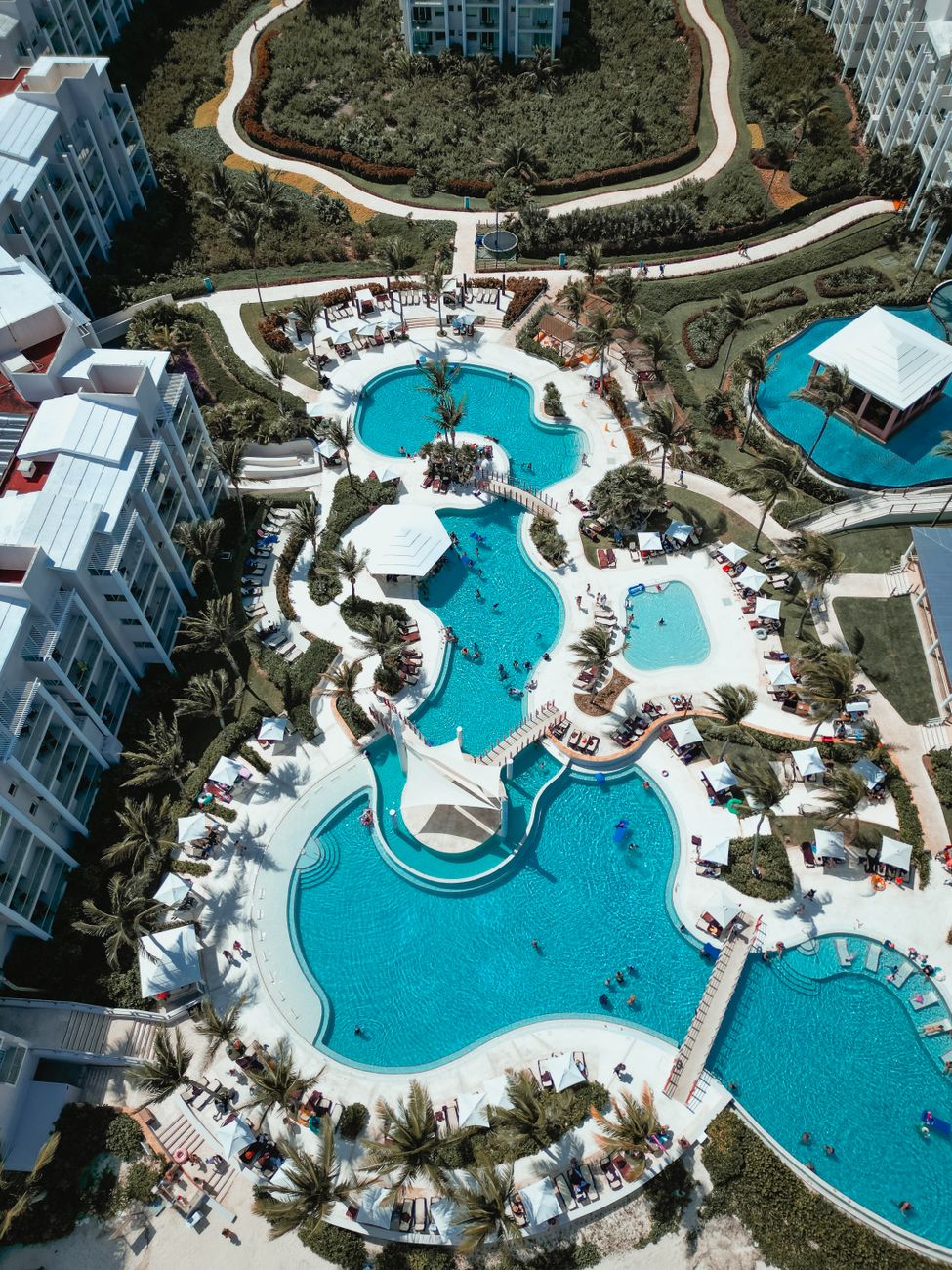
Seasonal and event-based hazard cycles. A resort pool deck behaves very differently in peak summer season than in the off-season. A convention center lobby carries different risks during a packed trade show than on a quiet Tuesday. Negligence in these environments often has a seasonal or event-based pattern — and maintaining appropriate safety protocols across those cycles is an industry standard expectation.
Mixed surface environments. Resorts, casinos, and entertainment venues tend to use the widest variety of surface materials of any commercial environment — stone, tile, polished concrete, outdoor decking, indoor carpet, wet zone surfaces near pools or spas. Each transition zone is a potential hazard. Each surface type has its own applicable standards for slip resistance and maintenance.
Signage and wayfinding. In large-scale leisure environments, signage isn’t just directional — it’s a safety system. Missing, inadequate, or poorly positioned warning signage is one of the most common findings in my expert reports on venue and resort cases.
A note for attorneys handling out-of-state venue cases
One challenge in travel and leisure cases is that the injury occurred somewhere the plaintiff no longer is — a resort in another state, a cruise terminal, a convention center in a city they visited once. Evidence preservation is time-sensitive in these cases. Surveillance footage in particular is often on short retention cycles. If you’re handling a case involving an injury at a travel or leisure destination, retaining an expert early — before the physical evidence is gone or the property is modified — is one of the most important steps you can take.
I work with attorneys across the United States. If you’re unsure whether a case in this category warrants a commercial design expert, contact my project manager Gennifer 1-914-907-6044 | genniferbirnbach@gmail.com to schedule a free 15 min call.
More from Retail Expert Witness Corp
-

When the Store Layout Itself Is the Hazard: Merchandising, Displays, and the Expert’s Role
When retail design departs from industry standards for aisle width, display height, product placement, or customer traffic flow, the environment becomes hazardous in ways that aren’t always visible on surveillance footage but are entirely…
-

Travel & Leisure Injuries: Why These Cases Benefit From a Commercial Design Expert
The travel and leisure industry — resorts, casinos, arenas, convention centers, entertainment venues — operates in a category of commercial design that most premises liability experts never fully address. These are large-scale, high-traffic, mixed-use…
-

Hotel Lobbies Are Not Just Aesthetic — They’re Liability Environments
From a safety standpoint, hotel lobbies are some of the most demanding environments in commercial design. And when guests are injured in them, they need an expert who understands both dimensions.
-

Parking Lots and Sidewalks: The Overlooked Premises Liability Cases Worth Taking
Parking lots and exterior sidewalks are among the most hazardous environments in commercial property. They’re also among the most neglected, and the negligence tends to be well-documented once you know where to look.
-
Slip vs. Trip: Why the Distinction Matters in Retail Injury Cases
“Slip and fall” sounds simple—but the difference between a slip and a trip matters. They point to different hazards, different failures, and different standards of care. In my expert work, understanding how someone fell…
-

Why Lack of Incident Documentation Hurts Retail Injury Cases
One of the hardest things to overcome in a retail injury case is missing documentation. Photos disappear. Logs are incomplete. Hazards get fixed. When that happens, expert analysis becomes critical in determining what should…
-

Common Retail Floor Hazards That Cause Slip-and-Fall Injuries
Most retail slip-and-falls aren’t mysterious. They are caused by familiar hazards: wet entrances, poorly placed mats, worn flooring, and inconsistent maintenance. I see the same issues repeated across stores and states. When I evaluate…
-

What to Do (and What Not to Do) After a Slip and Fall in a Retail Store
Slip-and-fall cases often hinge on what happens immediately after the incident.
-

Navigating Seasonal Store Layouts: How Poor Design Can Lead to Injuries
As fall approaches, many retail stores and restaurants embrace the season by transforming their layouts to align with autumnal themes. While these seasonal changes create an inviting atmosphere, they can also introduce significant hazards…
Leave a Reply