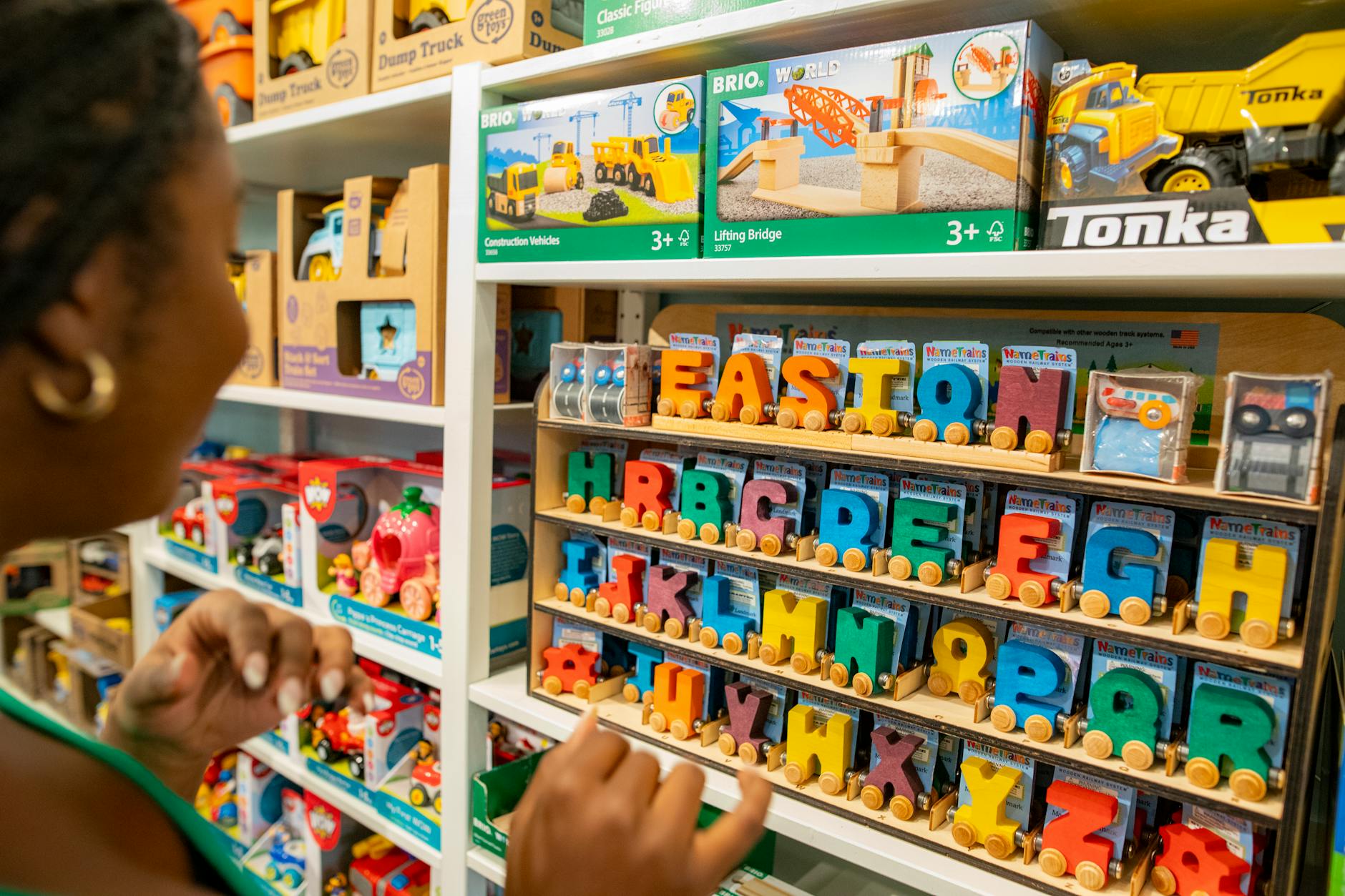
Most attorneys approach a retail injury case by looking at what was on the floor — a spill, a pallet, a piece of broken merchandise. But some of the strongest retail injury cases I’ve worked on involve something less obvious: the store layout itself.
When retail design departs from industry standards for aisle width, display height, product placement, or customer traffic flow, the environment becomes hazardous in ways that aren’t always visible on surveillance footage but are entirely documentable through design analysis and industry standards review.
The design decisions retailers make — and the standards they’re expected to follow
The retail design industry has well-established standards around how merchandise is displayed, how aisles are dimensioned, how promotional fixtures are positioned, and how seasonal or temporary displays must be set to remain within safety guidelines. I spent decades in retail design before becoming an expert witness, which means I know these standards from the inside — not just from reading about them.
When a retailer introduces an end-cap display that narrows an aisle below standard clearance, creates a visual obstruction to an exit path, or positions a floor-level promotional unit in a natural walking path, they’ve created a foreseeable hazard. When someone is injured in that environment, the standard of care question isn’t just “did they know the floor was wet?” — it’s “did this environment meet the standards a reasonably designed retail space is expected to meet?”
What I can establish in a report
An expert witness report in a merchandising or layout case typically addresses: the industry standards applicable to the specific fixture type or aisle configuration, whether the retailer’s own planogram or design guidelines required a different configuration, what a visual inspection or photographic evidence reveals about the as-built condition versus the standard, and whether prior complaints or store-level modification requests indicate the retailer was aware of the issue.
In some of the most compelling cases, the retailer’s own internal standards documents — obtainable in discovery — demonstrate that the hazardous configuration violated their own policies.
When to bring in a retail design expert
If you have a case where the injury mechanism isn’t a simple spill or wet floor, but rather involves something about how the store was built, arranged, or merchandised, it’s worth a conversation. That includes cases involving gondola or shelving collapse, display fixture instability, seasonal decor or signage, and end-cap or promotional displays.
A 15-minute call is usually all it takes to know whether an expert report would strengthen your case. Contact my project manager Gennifer 1-914-907-6044 | genniferbirnbach@gmail.com
More from Retail Expert Witness Corp
-

When the Store Layout Itself Is the Hazard: Merchandising, Displays, and the Expert’s Role
When retail design departs from industry standards for aisle width, display height, product placement, or customer traffic flow, the environment becomes hazardous in ways that aren’t always visible on surveillance footage but are entirely…
-

Travel & Leisure Injuries: Why These Cases Benefit From a Commercial Design Expert
The travel and leisure industry — resorts, casinos, arenas, convention centers, entertainment venues — operates in a category of commercial design that most premises liability experts never fully address. These are large-scale, high-traffic, mixed-use…
-

Hotel Lobbies Are Not Just Aesthetic — They’re Liability Environments
From a safety standpoint, hotel lobbies are some of the most demanding environments in commercial design. And when guests are injured in them, they need an expert who understands both dimensions.
-

Parking Lots and Sidewalks: The Overlooked Premises Liability Cases Worth Taking
Parking lots and exterior sidewalks are among the most hazardous environments in commercial property. They’re also among the most neglected, and the negligence tends to be well-documented once you know where to look.
-
Slip vs. Trip: Why the Distinction Matters in Retail Injury Cases
“Slip and fall” sounds simple—but the difference between a slip and a trip matters. They point to different hazards, different failures, and different standards of care. In my expert work, understanding how someone fell…
-

Why Lack of Incident Documentation Hurts Retail Injury Cases
One of the hardest things to overcome in a retail injury case is missing documentation. Photos disappear. Logs are incomplete. Hazards get fixed. When that happens, expert analysis becomes critical in determining what should…
-

Common Retail Floor Hazards That Cause Slip-and-Fall Injuries
Most retail slip-and-falls aren’t mysterious. They are caused by familiar hazards: wet entrances, poorly placed mats, worn flooring, and inconsistent maintenance. I see the same issues repeated across stores and states. When I evaluate…
-

What to Do (and What Not to Do) After a Slip and Fall in a Retail Store
Slip-and-fall cases often hinge on what happens immediately after the incident.
-

Navigating Seasonal Store Layouts: How Poor Design Can Lead to Injuries
As fall approaches, many retail stores and restaurants embrace the season by transforming their layouts to align with autumnal themes. While these seasonal changes create an inviting atmosphere, they can also introduce significant hazards…
Leave a Reply