by Jerry Birnbach, Retail Expert Witness | Retail Expert Witness Corp.
When an injury attorney thinks “premises liability,” they often picture a wet supermarket floor or a cluttered store aisle. But some of the most winnable — and most underestimated — cases happen before a customer ever walks through the front door.
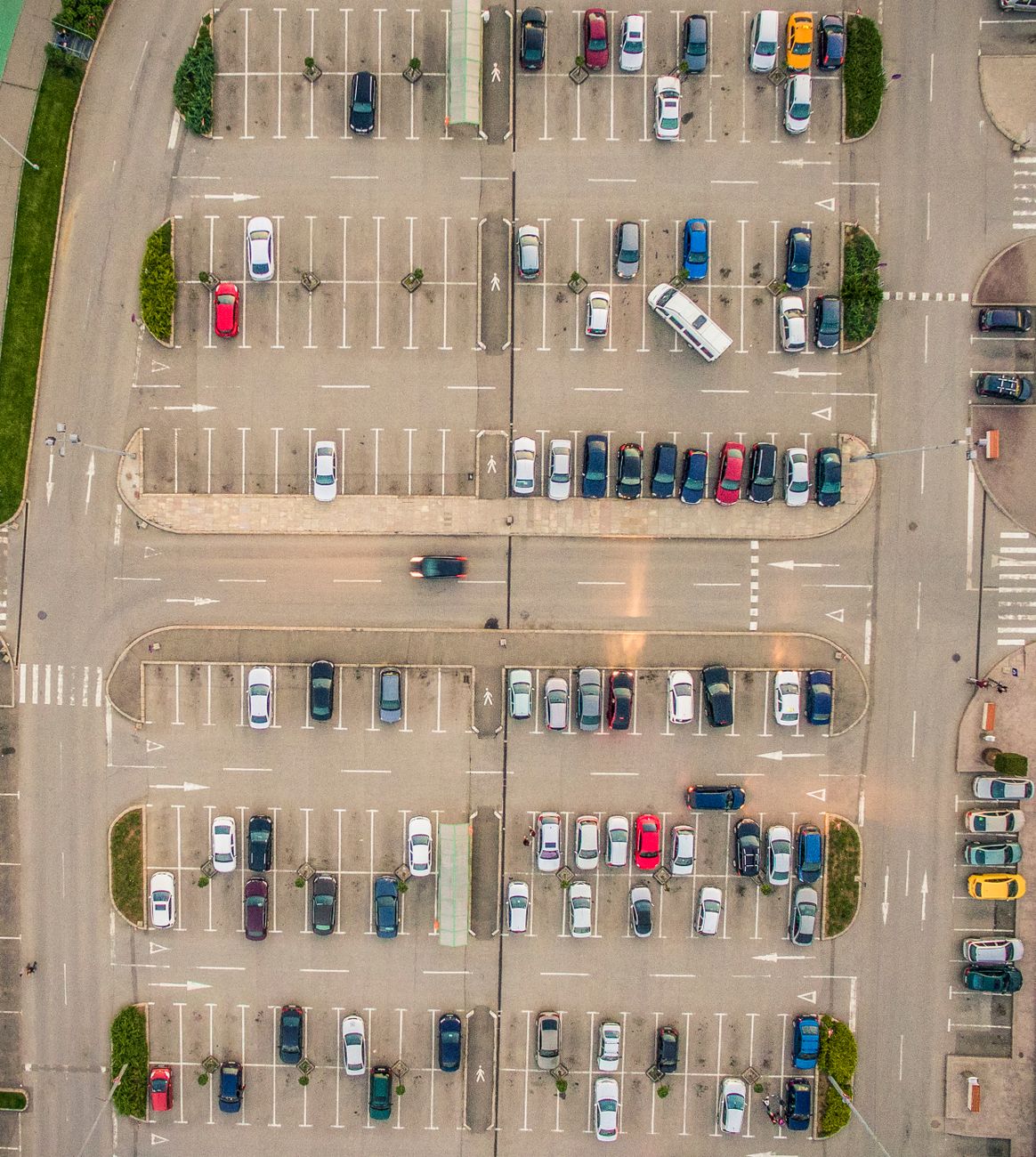
Parking lots and exterior sidewalks are among the most hazardous environments in commercial property. They’re also among the most neglected, and the negligence tends to be well-documented once you know where to look.
What I look for in parking lot and sidewalk cases
After more than a decade as a retail expert witness, I’ve reviewed dozens of exterior injury cases. The physical hazards that come up most often include:
- Uneven or cracked asphalt with level changes greater than a half inch — the threshold many industry standards consider a trip hazard
- Inadequate or broken lighting, particularly in covered parking structures or lots without overhead illumination
- Faded or missing line striping that fails to direct pedestrian traffic safely
- Improper drainage design that pools water in high-traffic walking areas
- Concrete wheel stops placed in pedestrian pathways without adequate visual contrast
- Cart corrals and exterior displays positioned to obstruct natural walking paths
Where negligence hides in the documentation
The most important thing I tell attorneys taking on parking lot or sidewalk cases is to move fast on the paperwork. Property maintenance logs, work orders, and inspection records are often auto-purged on a 30, 60, or 90-day cycle depending on the property management company. A trip hazard that existed for months can become undocumentable in weeks if you don’t act quickly.
Equally important: request any prior incident reports at the same location. One of the most powerful things an expert report can establish is that a property owner had prior notice of a hazard and chose not to remedy it. One incident report often leads to a pattern.
How design standards apply
Many attorneys aren’t aware that commercial property design — including exterior environments — is governed by specific industry standards for surface uniformity, lighting levels, and pedestrian path design. My retail design and commercial space background fortifies my ability to evaluate these environments against the standards a property owner is expected to meet, and to clearly explain those standards in a report.
If you have a parking lot or sidewalk case and aren’t sure whether it’s worth pursuing, contact my project manager, Gennifer to schedule a quick discovery call. 1-914-907-6044 | genniferbirnbach@gmail.com
More from Retail Expert Witness Corp
- When the Store Layout Itself Is the Hazard: Merchandising, Displays, and the Expert’s Role
- Travel & Leisure Injuries: Why These Cases Benefit From a Commercial Design Expert
- Hotel Lobbies Are Not Just Aesthetic — They’re Liability Environments
- Parking Lots and Sidewalks: The Overlooked Premises Liability Cases Worth Taking
- Slip vs. Trip: Why the Distinction Matters in Retail Injury Cases
Leave a Reply