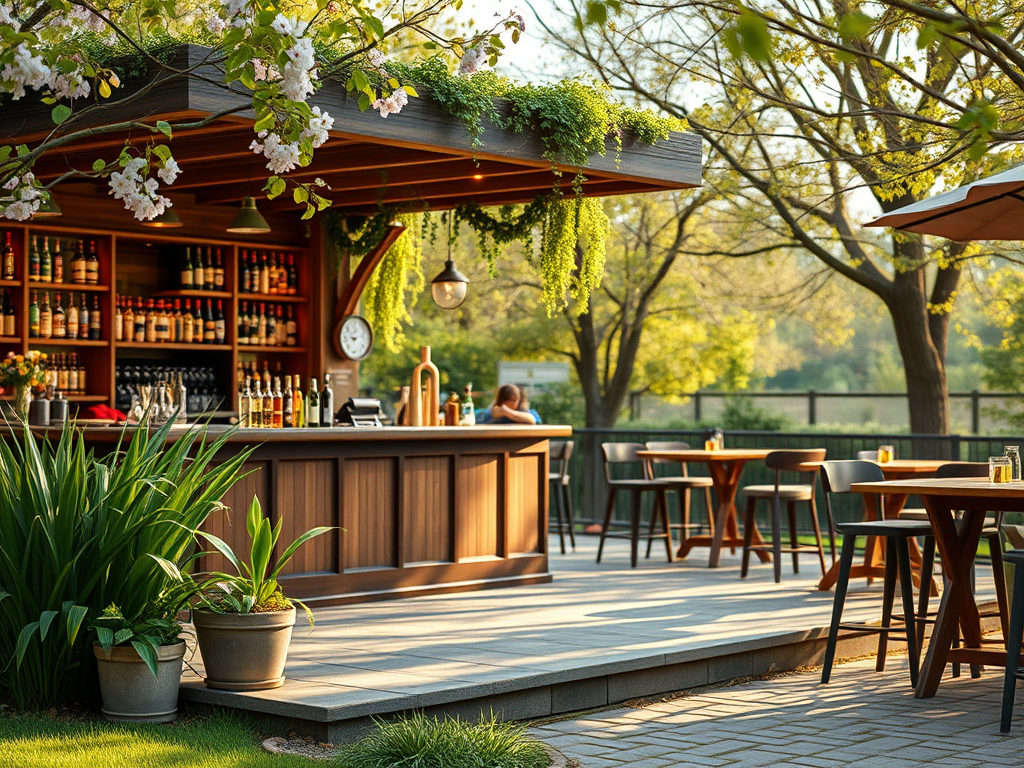
Spring brings a boost in restaurant traffic—Mother’s Day brunches, graduation dinners, and the return of outdoor dining. With more guests and busier staff, the chances of a slip and fall or trip and fall incident increase significantly. As a Restaurant and Retail Expert Witness, I help attorneys identify where restaurants fall short in keeping their environments safe and compliant.
Let’s take a closer look at where injuries tend to happen and how to gather the evidence you need to hold the restaurant accountable.


1. Slippery or Uneven Floors
One of the most common causes of restaurant injuries is a wet or greasy floor. Whether it’s a spill in the kitchen, water tracked in near the entrance, or cleaning done without warning signs, the result can be a serious fall. In some cases, I’ve found that restaurants failed to install non-slip flooring where it was clearly needed.
Tip: Ask for cleaning schedules, floor mats used, and staff procedures. Surveillance footage can show how long a hazard was present—and whether anyone responded.
2. Outdoor Dining and Patio Hazards
Outdoor dining is wonderful—but only if it’s safe. Cracked pavement, poorly lit areas, and uneven surfaces can all create trip hazards. In many cases, temporary outdoor setups don’t meet the same safety standards as the interior space. I’ve seen cords taped loosely across walkways and unstable furniture cause injury.
Tip: Photos and incident reports are critical here. Look for complaints or inspection records that show previous issues.
3. Restroom Conditions
Restrooms are often overlooked in restaurant injury cases, but they’re a high-risk area. Water on the floor, broken tiles, or poor lighting can all lead to falls. If staff failed to check or clean regularly, liability may follow.
Tip: Check restroom inspection logs and ask staff about how often these areas are monitored.
4. Server Practices and Layout Problems
Sometimes it’s not the building, but the way the staff moves through the space. Narrow aisles, blocked exits, or servers carrying trays in crowded walkways can increase risk. I’ve reviewed cases where poor layout and staffing decisions were major factors.
When attorneys call me in, I look at restaurant operations, safety protocols, and employee behavior to determine whether negligence occurred. If you’re working on a restaurant injury case, I can help provide the expert perspective that makes your case stronger in mediation or court.


Leave a Reply