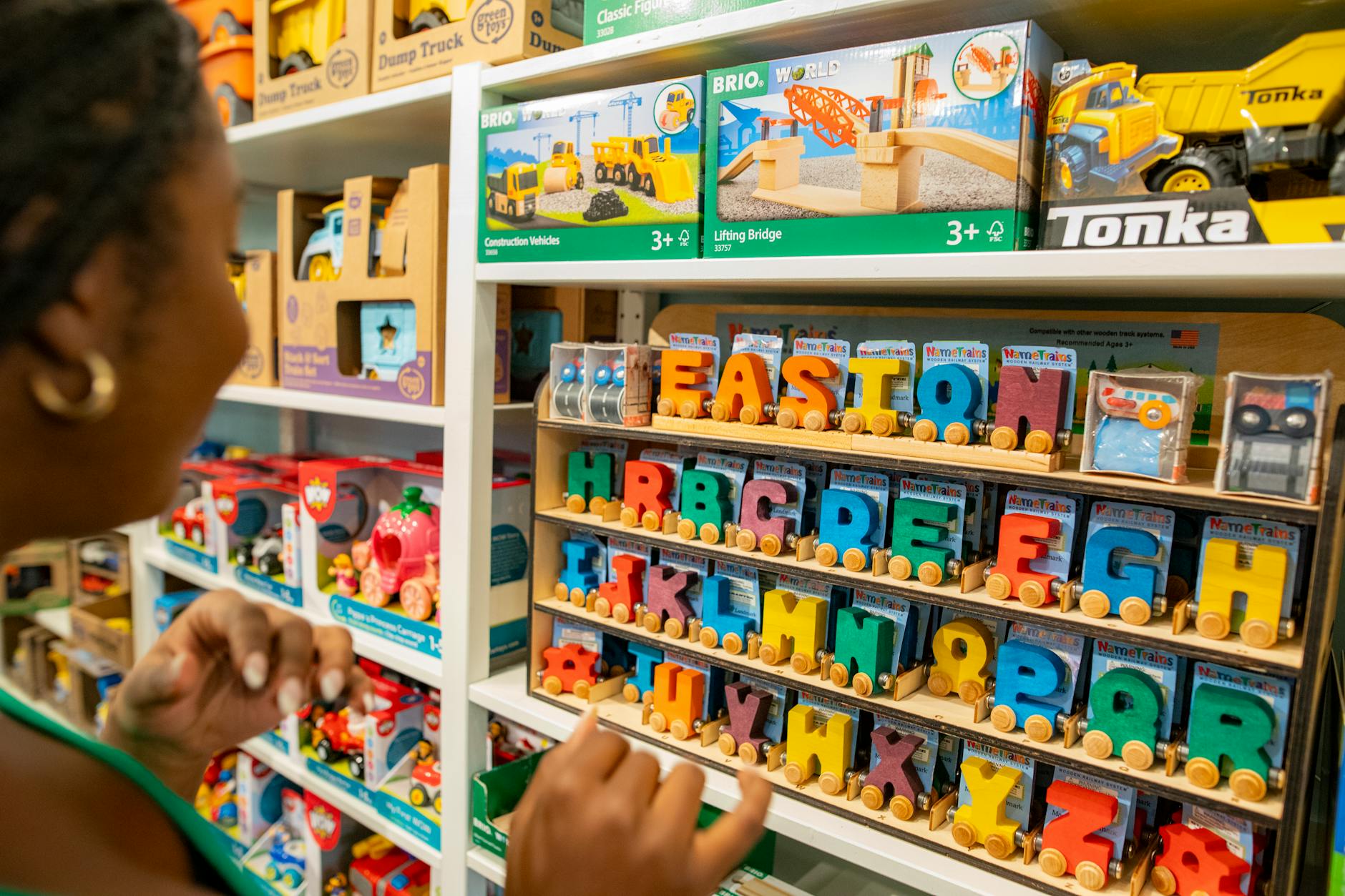
Most attorneys approach a retail injury case by looking at what was on the floor — a spill, a pallet, a piece of broken merchandise. But some of the strongest retail injury cases I’ve worked on involve something less obvious: the store layout itself.
When retail design departs from industry standards for aisle width, display height, product placement, or customer traffic flow, the environment becomes hazardous in ways that aren’t always visible on surveillance footage but are entirely documentable through design analysis and industry standards review.
The design decisions retailers make — and the standards they’re expected to follow
The retail design industry has well-established standards around how merchandise is displayed, how aisles are dimensioned, how promotional fixtures are positioned, and how seasonal or temporary displays must be set to remain within safety guidelines. I spent decades in retail design before becoming an expert witness, which means I know these standards from the inside — not just from reading about them.
When a retailer introduces an end-cap display that narrows an aisle below standard clearance, creates a visual obstruction to an exit path, or positions a floor-level promotional unit in a natural walking path, they’ve created a foreseeable hazard. When someone is injured in that environment, the standard of care question isn’t just “did they know the floor was wet?” — it’s “did this environment meet the standards a reasonably designed retail space is expected to meet?”
What I can establish in a report
An expert witness report in a merchandising or layout case typically addresses: the industry standards applicable to the specific fixture type or aisle configuration, whether the retailer’s own planogram or design guidelines required a different configuration, what a visual inspection or photographic evidence reveals about the as-built condition versus the standard, and whether prior complaints or store-level modification requests indicate the retailer was aware of the issue.
In some of the most compelling cases, the retailer’s own internal standards documents — obtainable in discovery — demonstrate that the hazardous configuration violated their own policies.
When to bring in a retail design expert
If you have a case where the injury mechanism isn’t a simple spill or wet floor, but rather involves something about how the store was built, arranged, or merchandised, it’s worth a conversation. That includes cases involving gondola or shelving collapse, display fixture instability, seasonal decor or signage, and end-cap or promotional displays.
A 15-minute call is usually all it takes to know whether an expert report would strengthen your case. Contact my project manager Gennifer 1-914-907-6044 | genniferbirnbach@gmail.com
More from Retail Expert Witness Corp
-

Lighting the Way: Assessing Safety in Dimly Lit Parking Lots During Shorter Winter Days
As winter approaches, poor lighting in parking lots poses significant safety hazards, increasing the risk of slip and fall accidents. Factors like burned-out bulbs, improper placement, and insufficient brightness contribute to these dangers. Injury…
-

Navigating the Snow: Best Practices for Retailers to Avoid Slip and Fall Lawsuits
Winter weather brings unique challenges for retailers, from icy entryways to wet floors caused by snow tracked in by customers. For businesses, failing to address these hazards can result in costly slip and fall…
-

End-of-Year Reflections: The Biggest Retail Safety Failures I Saw in 2025
As the year comes to a close, I like to reflect on the trends I observe across the hundreds of retail and hospitality environments I evaluate. In 2025, I noticed several repeating patterns that…
-

Why Temporary Holiday Workers Increase Safety Risks—And How I Evaluate Their Impact
Many retail stores rely heavily on seasonal employees during November and December. While this additional staffing is necessary, it often introduces significant safety risks. As an Expert Retail Witness, I frequently find that holiday…
-

How Poor Floor Maintenance Leads to Winter Slip-and-Fall Injuries
Winter months bring unique flooring hazards that many retailers underestimate. As a Retail Expert Witness, I’ve investigated countless slip-and-fall injuries caused by wet tiles, improper mats, worn flooring, and inadequate maintenance procedures. The most…
-

Holiday Crowds and Seasonal Merchandising: Why December Is a High-Risk Month for Retail Injuries
Every December, I see a sharp increase in retail injury cases—and after decades working as an Expert Retail Witness, the pattern is unmistakable. The combination of holiday crowds, rushed employees, seasonal displays, and temporary…
-

How Poor Lighting Contributes to Retail and Restaurant Injuries
Lighting is one of the most overlooked hazards in retail and hospitality environments. As a Retail Expert Witness, I frequently discover that slip and falls, trip hazards, and missteps occur because the lighting failed—not…
-

The Most Common Restaurant Hazards I See During Injury Investigations
I’ve investigated injuries in dining rooms, kitchens, restrooms, and outdoor seating areas across the U.S., and certain dangerous patterns show up over and over. Here are the hazards I encounter most frequently:
-

Why Overstocked Shelves Are a Hidden Danger in Retail Stores
I often investigate injuries caused by overstocked shelves, and the dangers they pose are frequently underestimated. Overstocking happens for several reasons: high customer volume, understaffing, seasonal demand, or pressure to push sales. But as…
Leave a Reply