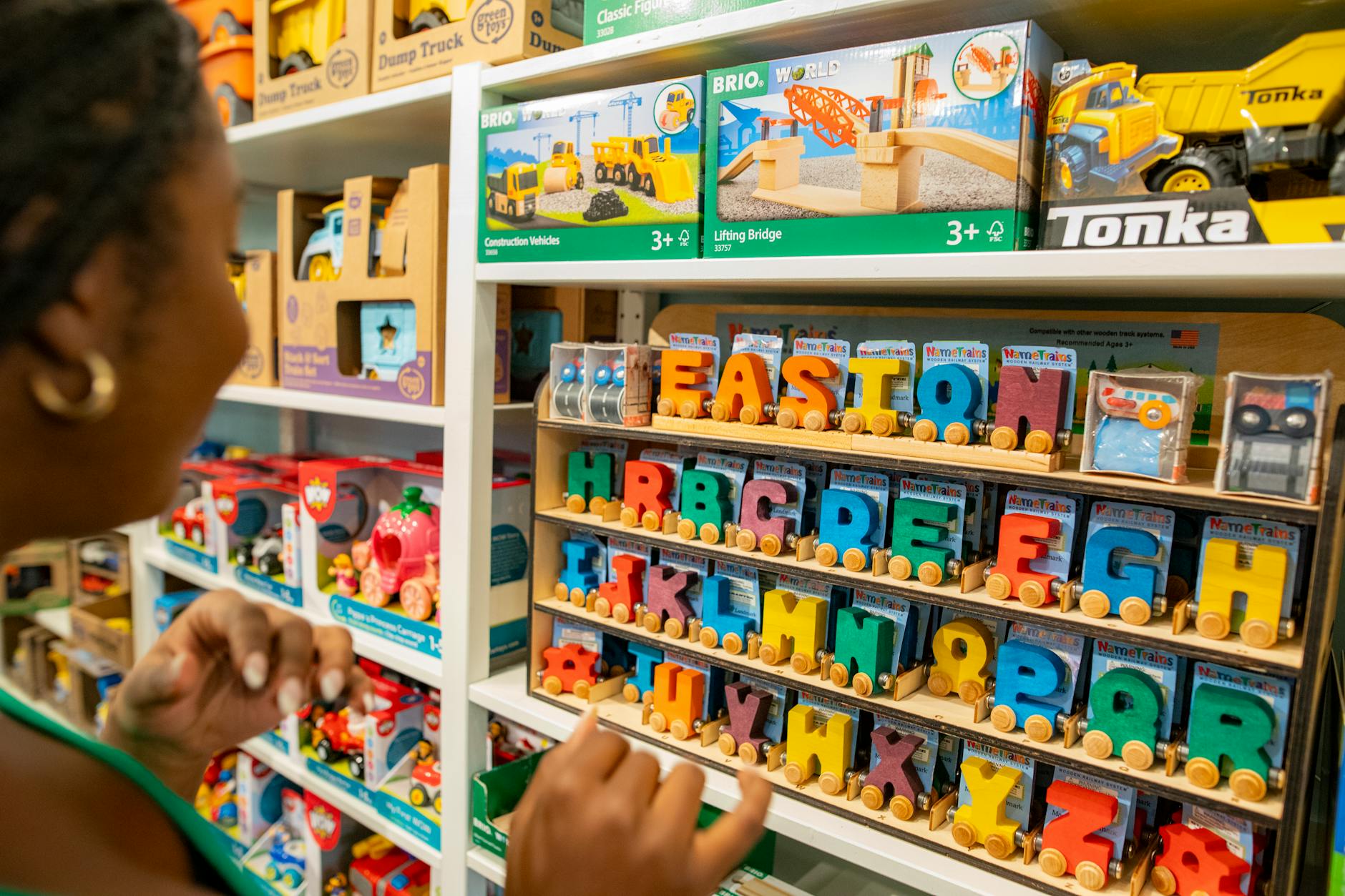
Most attorneys approach a retail injury case by looking at what was on the floor — a spill, a pallet, a piece of broken merchandise. But some of the strongest retail injury cases I’ve worked on involve something less obvious: the store layout itself.
When retail design departs from industry standards for aisle width, display height, product placement, or customer traffic flow, the environment becomes hazardous in ways that aren’t always visible on surveillance footage but are entirely documentable through design analysis and industry standards review.
The design decisions retailers make — and the standards they’re expected to follow
The retail design industry has well-established standards around how merchandise is displayed, how aisles are dimensioned, how promotional fixtures are positioned, and how seasonal or temporary displays must be set to remain within safety guidelines. I spent decades in retail design before becoming an expert witness, which means I know these standards from the inside — not just from reading about them.
When a retailer introduces an end-cap display that narrows an aisle below standard clearance, creates a visual obstruction to an exit path, or positions a floor-level promotional unit in a natural walking path, they’ve created a foreseeable hazard. When someone is injured in that environment, the standard of care question isn’t just “did they know the floor was wet?” — it’s “did this environment meet the standards a reasonably designed retail space is expected to meet?”
What I can establish in a report
An expert witness report in a merchandising or layout case typically addresses: the industry standards applicable to the specific fixture type or aisle configuration, whether the retailer’s own planogram or design guidelines required a different configuration, what a visual inspection or photographic evidence reveals about the as-built condition versus the standard, and whether prior complaints or store-level modification requests indicate the retailer was aware of the issue.
In some of the most compelling cases, the retailer’s own internal standards documents — obtainable in discovery — demonstrate that the hazardous configuration violated their own policies.
When to bring in a retail design expert
If you have a case where the injury mechanism isn’t a simple spill or wet floor, but rather involves something about how the store was built, arranged, or merchandised, it’s worth a conversation. That includes cases involving gondola or shelving collapse, display fixture instability, seasonal decor or signage, and end-cap or promotional displays.
A 15-minute call is usually all it takes to know whether an expert report would strengthen your case. Contact my project manager Gennifer 1-914-907-6044 | genniferbirnbach@gmail.com
More from Retail Expert Witness Corp
-

How Virtual Retail Inspections Help Injury Attorneys Win Cases Faster
I’ve provided virtual inspections, depositions, and trial testimony for law firms across the United States. You can see a list of the states and clients I’ve supported here https://expertretailwitnesses.com/clients/
-

Expert Witness Services for Midwest Injury Cases
The content outlines the services of a specialized retail expert witness, offering crucial analysis and testimony for injury cases in the Midwest. With a focus on virtual participation to reduce costs, the expert helps…
-

West Coast Injury Expert: Analysis & Testimony
West Coast attorneys managing injury cases in retail or restaurant settings can greatly benefit from my expertise in analyzing accident dynamics. Whether it’s evaluating a restaurant’s layout, assessing safety standards in a commercial space,…
-

Expert Witness Insights on Winning Slip and Fall Lawsuits
In retail, safety is crucial to prevent accidents like slip and falls, which can result in legal issues. Retail expert witnesses play a vital role by analyzing store conditions, identifying hazards, and evaluating safety…
-

Cost-Effective Injury Case Analysis in the Northeast
Expert witness services for attorneys in the Northeast, including Massachusetts and Connecticut, specializing in retail and commercial injury cases. With over 40 years of experience in retail design and accident analysis, I offer insights…
-

Expert Witness Role in Outdoor Dining Accident Cases
As fall approaches, the risk of slip-and-fall and trip-and-fall accidents on restaurant patios increases due to changing weather conditions and inadequate maintenance of surfaces, heating devices, and lighting.
-

Common Retail Store Safety Violations and How They Affect Your Case
Retail environments are bustling hubs of activity, filled with shoppers navigating aisles, browsing products, and moving between displays. While these spaces are designed to enhance the shopping experience, they can also harbor hidden dangers.…
-

Back-to-School Safety: How Retail Hazards Can Lead to Injuries
The surge of shoppers during the back-to-school season can easily lead to overcrowded aisles. When aisles are packed with merchandise and people, the risk of tripping and falling increases significantly. Overcrowding can also make…
-

Decoding Store Policies: How Retail Procedures Impact Premises Liability Cases
When a customer is injured in a store—whether from a slip on a wet floor, a trip over poorly placed merchandise, or another hazard—one of the first questions attorneys ask is: Did the store…
Leave a Reply