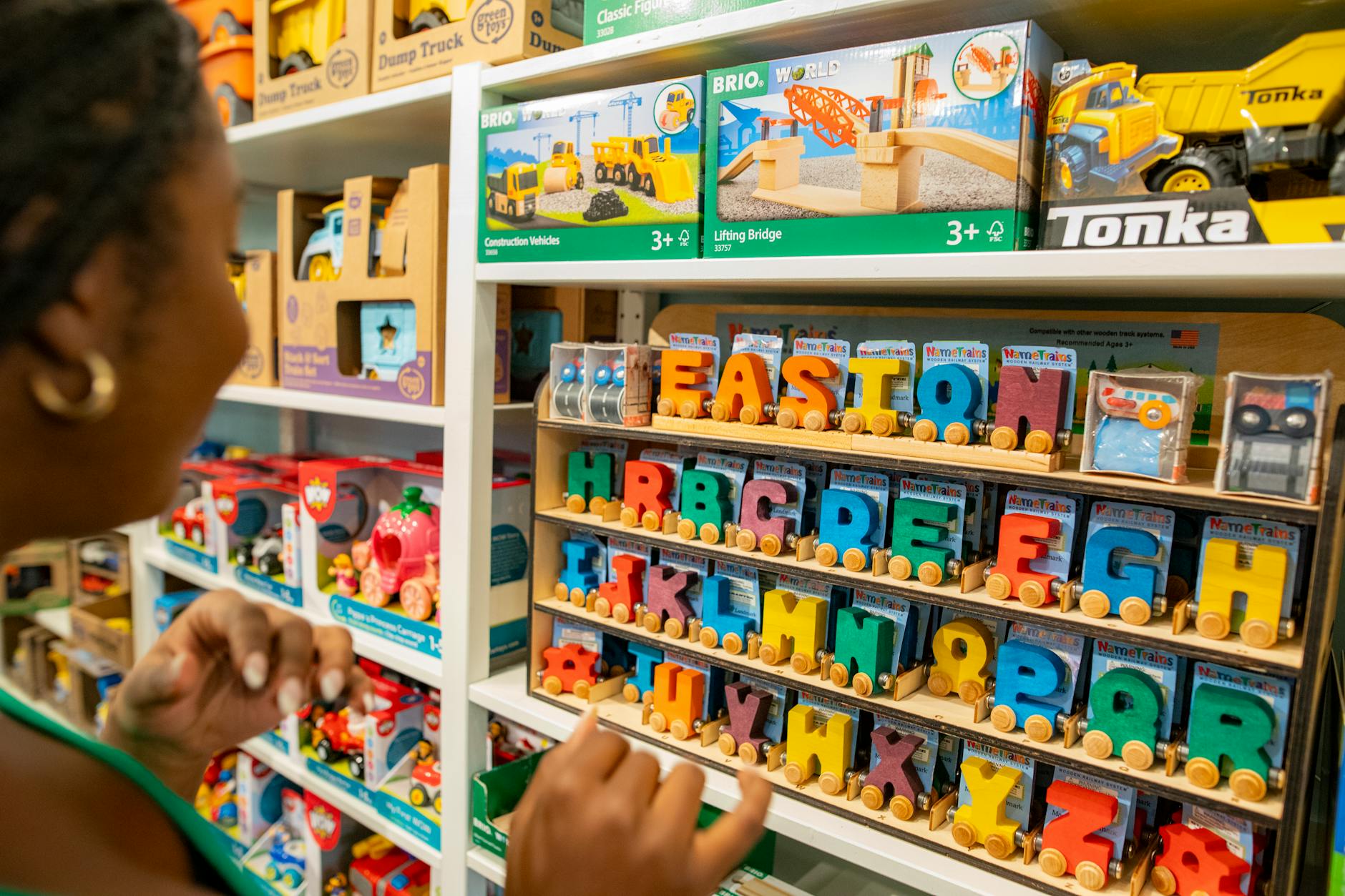
Most attorneys approach a retail injury case by looking at what was on the floor — a spill, a pallet, a piece of broken merchandise. But some of the strongest retail injury cases I’ve worked on involve something less obvious: the store layout itself.
When retail design departs from industry standards for aisle width, display height, product placement, or customer traffic flow, the environment becomes hazardous in ways that aren’t always visible on surveillance footage but are entirely documentable through design analysis and industry standards review.
The design decisions retailers make — and the standards they’re expected to follow
The retail design industry has well-established standards around how merchandise is displayed, how aisles are dimensioned, how promotional fixtures are positioned, and how seasonal or temporary displays must be set to remain within safety guidelines. I spent decades in retail design before becoming an expert witness, which means I know these standards from the inside — not just from reading about them.
When a retailer introduces an end-cap display that narrows an aisle below standard clearance, creates a visual obstruction to an exit path, or positions a floor-level promotional unit in a natural walking path, they’ve created a foreseeable hazard. When someone is injured in that environment, the standard of care question isn’t just “did they know the floor was wet?” — it’s “did this environment meet the standards a reasonably designed retail space is expected to meet?”
What I can establish in a report
An expert witness report in a merchandising or layout case typically addresses: the industry standards applicable to the specific fixture type or aisle configuration, whether the retailer’s own planogram or design guidelines required a different configuration, what a visual inspection or photographic evidence reveals about the as-built condition versus the standard, and whether prior complaints or store-level modification requests indicate the retailer was aware of the issue.
In some of the most compelling cases, the retailer’s own internal standards documents — obtainable in discovery — demonstrate that the hazardous configuration violated their own policies.
When to bring in a retail design expert
If you have a case where the injury mechanism isn’t a simple spill or wet floor, but rather involves something about how the store was built, arranged, or merchandised, it’s worth a conversation. That includes cases involving gondola or shelving collapse, display fixture instability, seasonal decor or signage, and end-cap or promotional displays.
A 15-minute call is usually all it takes to know whether an expert report would strengthen your case. Contact my project manager Gennifer 1-914-907-6044 | genniferbirnbach@gmail.com
More from Retail Expert Witness Corp
-

What Are the Most Common Defense Arguments in Premises Liability Cases?
Premises liability cases are some of the most hotly contested in personal injury law, especially when a plaintiff is injured inside a retail store. While plaintiffs’ counsel works to show that the store or…
-

When Overstocked Shelves Create Hidden Dangers in Retail Stores
After more than 40 years in retail design, operations, and safety, I can confidently say that overstocked shelves are one of the most common—and most overlooked—hazards in stores. While retailers often focus on maximizing…
-

When Store Displays and Signage Become Safety Hazards
In my role as an Expert Retail Witness, I frequently work with injury attorneys and law firms on premises liability cases caused by malfunctioning displays or falling signage. These incidents can lead to head…
-

5 Ways an Expert Witness Strengthens Retail Injury Cases
As someone who has spent decades in retail design, safety, and operations, I know that retail injury cases can be complex. Attorneys often face a big challenge: proving exactly how and why an injury…
-

Event Season Safety – Festivals, Weddings, and Pop-Up Hospitality Risks
For injury lawyers and attorneys handling premises liability cases, having an experienced Expert Retail Witness can make all the difference. My role is to provide a clear, unbiased assessment that helps establish liability, whether…
-

Helping Injury Law Firms Nationwide with Virtual Expert Witness Services
In today’s fast-paced legal environment, injury law firms need expert witnesses who can provide thorough, reliable support—without the delays and costs of travel. That’s why I’ve developed a streamlined virtual process that lets me…
-

Pop-Up Retail and Sidewalk Sales: Hidden Summer Liabilities
Pop-up shops and sidewalk sales are increasingly popular in the summer, offering retailers a low-cost, high-visibility way to move seasonal merchandise and attract foot traffic. From apparel brands setting up temporary booths outside their…
-

From Flip-Flops to Floor Hazards: Footwear and Liability
It’s a common defense tactic: blame the shoes. And it’s true—certain types of footwear, like flip-flops, high heels, or worn-out soles, can contribute to instability. However, in premises liability law, footwear is just one…
-

Common Injury Cases in Retail, Hotels, and Restaurants
July 4th Weekend is one of the biggest holiday sale seasons for retail. Poorly designed displays, for example, can obstruct walkways, causing customers to trip and fall. I can assess whether the layout adheres to safety…
Leave a Reply