by Jerry Birnbach, Retail Expert Witness | Retail Expert Witness Corp.
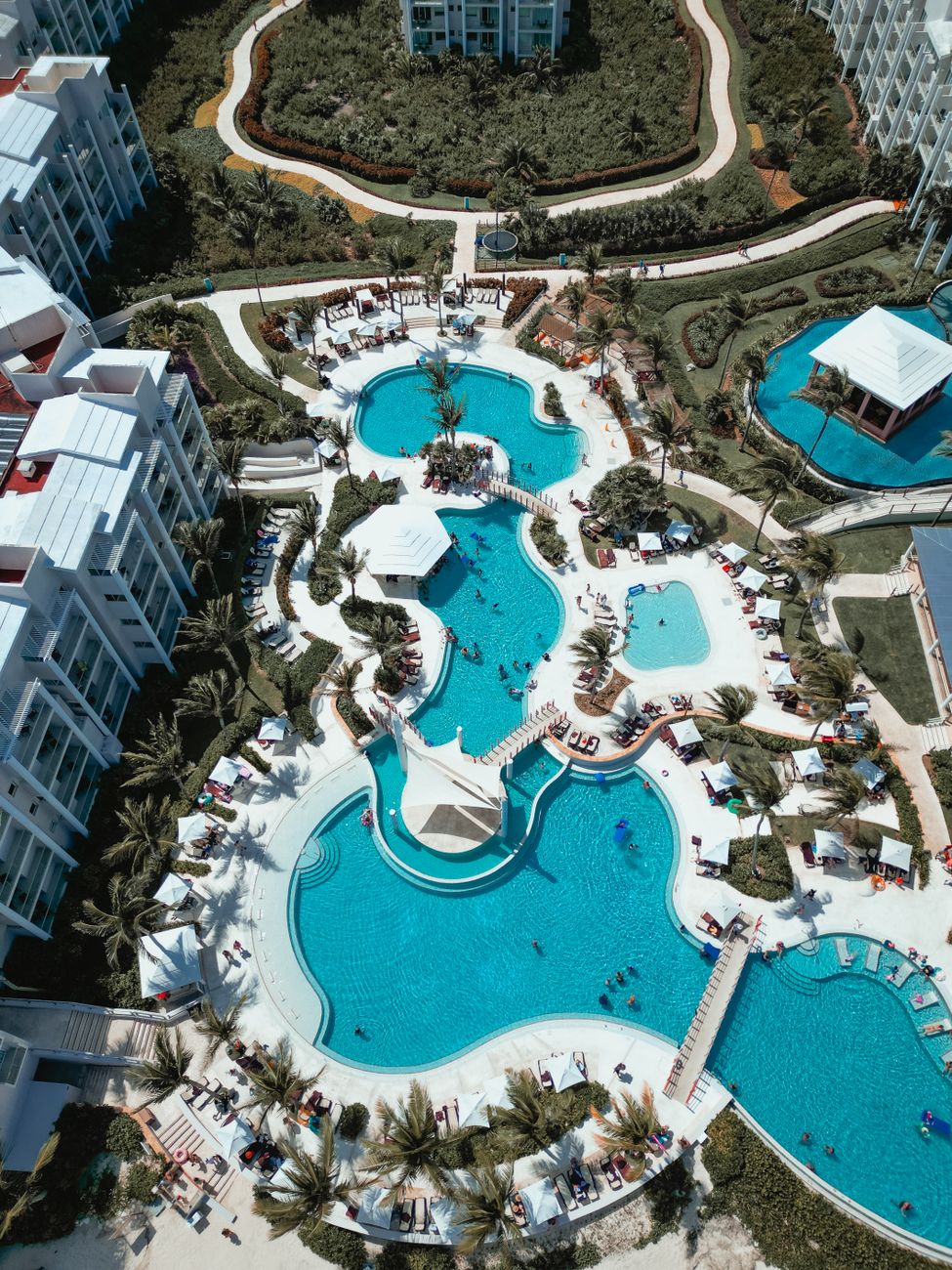
The travel and leisure industry — resorts, casinos, arenas, convention centers, entertainment venues — operates in a category of commercial design that most premises liability experts never fully address. These are large-scale, high-traffic, mixed-use environments built to move thousands of people through complex spaces. When someone is injured in one, the question of negligence requires an expert who understands not just safety codes, but how these spaces are designed, built, and managed.
That’s where my background becomes particularly relevant.
What travel and leisure environments have in common
Across hospitality, entertainment, and convention spaces, the same design factors create injury risk in recurring patterns:
Crowd flow and path design. Large venues are engineered for crowd movement, but when that engineering fails — through blocked egress paths, inadequate signage, poor lighting in transition areas, or surface materials that degrade under heavy foot traffic — injuries follow. Understanding how a space was designed to move people, and where that design broke down, is a core part of what I do in an expert report.
Seasonal and event-based hazard cycles. A resort pool deck behaves very differently in peak summer season than in the off-season. A convention center lobby carries different risks during a packed trade show than on a quiet Tuesday. Negligence in these environments often has a seasonal or event-based pattern — and maintaining appropriate safety protocols across those cycles is an industry standard expectation.
Mixed surface environments. Resorts, casinos, and entertainment venues tend to use the widest variety of surface materials of any commercial environment — stone, tile, polished concrete, outdoor decking, indoor carpet, wet zone surfaces near pools or spas. Each transition zone is a potential hazard. Each surface type has its own applicable standards for slip resistance and maintenance.
Signage and wayfinding. In large-scale leisure environments, signage isn’t just directional — it’s a safety system. Missing, inadequate, or poorly positioned warning signage is one of the most common findings in my expert reports on venue and resort cases.
A note for attorneys handling out-of-state venue cases
One challenge in travel and leisure cases is that the injury occurred somewhere the plaintiff no longer is — a resort in another state, a cruise terminal, a convention center in a city they visited once. Evidence preservation is time-sensitive in these cases. Surveillance footage in particular is often on short retention cycles. If you’re handling a case involving an injury at a travel or leisure destination, retaining an expert early — before the physical evidence is gone or the property is modified — is one of the most important steps you can take.
I work with attorneys across the United States. If you’re unsure whether a case in this category warrants a commercial design expert, contact my project manager Gennifer 1-914-907-6044 | genniferbirnbach@gmail.com to schedule a free 15 min call.
More from Retail Expert Witness Corp
-

Hotel Hazards – What You Need to Know
During the 4th of July weekend, hotels often experience an influx of guests, increasing the likelihood of accidents. For example, crowded pools may lead to slips or drowning incidents, while overbooked rooms could result in poorly…
-

Are Your Clients’ Store Layouts a Liability?
A focus on how high traffic and seasonal displays can create cluttered or unsafe aisles in stores, increasing the chance of accidents.
-

Trip-and-Fall Dangers: Uneven Sidewalks and Cracked Parking Lots
Cracked pavement, lifted sidewalks, and uneven transitions between surfaces are common hazards in warmer months. As asphalt softens or tree roots grow, walkways shift—sometimes significantly. Trip-and-fall accidents increase during this time, especially in retail…
-

Slippery When Wet: Summer Rain Hazards in Retail and Commercial Entryways
Explore how sudden summer showers create slip hazards at store and hotel entrances, especially when matting is inadequate or missing, and how these situations often lead to injury litigation.
-

Common Pitfalls in Retail Injury Cases: Lessons from the Field
Retail environments are complex. Injuries rarely happen by coincidence—they happen because of overlooked risks, poor design, or failed procedures. Identifying these issues takes more than legal knowledge; it takes specialized experience with how retail…
-

Essential Evidence in Premises Liability Cases: What Attorneys Must Gather
Collecting the right evidence early can dramatically improve your odds of success. If you’re not sure what to look for—or how to interpret what you have—that’s where I come in. I work closely with…
-

When Is a Restaurant Liable? Identifying Slip, Trip, and Fall Hazards in Dining Spaces
Restaurants face higher spring/summer traffic due to Mother’s Day, graduation parties, and tourism. Focus on dining area safety (indoor and patio)
-

How to Prove Negligent Maintenance in Shopping Centers and Big Box Stores
Maintenance failures (like ignored spills or broken flooring) are major causes of injuries. This post outlines how attorneys can find the right records, timelines, and evidence.
-

Key Evidence for Hotel Injury Claims Explained
As the weather warms up, hotels and resorts see a surge in guests. Families take spring vacations, business travelers attend conferences, and event spaces fill with weddings and celebrations. With this influx of visitors,…
Leave a Reply